
Toronto & the GTA
Sump pumps and waterproofing
Sump pump installation and repair, and waterproofing where a basement takes on groundwater. When a pump stops in the middle of a storm, someone answers 24/7.
-

Red Seal plumber
-

Licensed
-

Insured
The pump only matters on the worst day of the year
A sump pump sits in a pit in the basement floor. Groundwater from around the foundation drains into the pit, and the pump pushes it out and away from the house. Most of the year it barely runs.
That’s why pumps tend to fail when they’re needed most: during heavy rain or snowmelt, after years of sitting idle, or when the power goes out. A pump that is old, undersized, or has a stuck float switch can’t keep up.
If water is getting into the basement through the foundation, the first job is to find where and why. Then you’ll hear what it would take to keep it out.
How it works
What a sump pump does in a storm
It only matters on the worst day of the year. Every step has to work.
Rain soaks in beside the house
Heavy rain and snowmelt saturate the ground around the foundation.
The weeping tile collects it
A perforated pipe along the bottom of the foundation gathers the water before it can come through the wall.
The pit fills, the pump starts
Water drains into the sump pit. When the float rises, the pump switches on.
Water leaves, away from the house
The pump pushes it up and out through the discharge pipe, so it doesn’t soak straight back in.
What we do
-
New sump pump installation
A pump sized for the pit and the amount of water the house actually gets.
-
Pump replacement
Old or failed pumps replaced and tested with water before we leave.
-
Float switch and check valve problems
Pumps that won’t turn on, won’t shut off, or let water run back into the pit.
-
Discharge lines
Making sure the water leaves the pit and ends up away from the foundation.
-
Backup for power outages
Talk through backup options if your area loses power during storms.
-
Groundwater coming in
Waterproofing where the basement is taking on water through the foundation.
How a visit goes
-
Call
Tell us whether the pump is running and whether water is rising. If it is, it’s an emergency call.
-
Inspect
The pit, pump, float, check valve and discharge are all checked.
-
Repair or replace
You hear whether a part or the whole pump needs replacing.
-
Test with water
The pit is filled to confirm the pump starts, empties it, and shuts off.
What homeowners say
5.0 from 41 reviews on Google.
-
Very responsive! Mayan plumbing helped me when my basement was flooding. They showed up quickly and got the job done well. I would recommend!
Rachel Wardinger
-
Yanky Gass is an extremely courteous and professional plumber who also scores points for his punctuality - arriving when he said he would. He was very easy to deal with and provided clear answers to all my questions along the way. He does a complete clean-up and guarantees his work. It is very reassuring to be able to depend on such an excellent worker for all my plumbing needs in the future.
Lee S.
-
Reliable, efficient and easy to work for with!
Liam Healey
Questions homeowners ask
How do I know if my sump pump is working?
Slowly pour a bucket of water into the pit. The pump should start on its own, empty the pit, and shut off. If it doesn’t, call before the next heavy rain.
How long does a sump pump last?
It varies with the pump and how often it runs. A pump that is the original one in an older house, or that has started making new noises, is worth having checked.
Do I need a sump pump and a backwater valve?
They protect against different things. A sump pump handles groundwater around the foundation. A backwater valve stops sewage backing up from the city sewer. Many basements benefit from both.
Are there subsidies in Toronto?
The City of Toronto runs a Basement Flooding Protection Subsidy Program that has covered sump pumps and backwater valves, with conditions. Check the City’s program page for current amounts and requirements before work starts.
Related services
-
Backwater valves
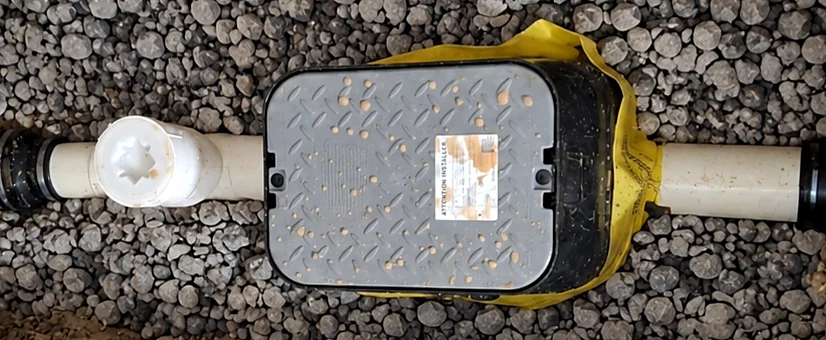
A valve on the building drain, so a backup in the city sewer is less likely to come up through the basement floor.
-
Emergency plumbing
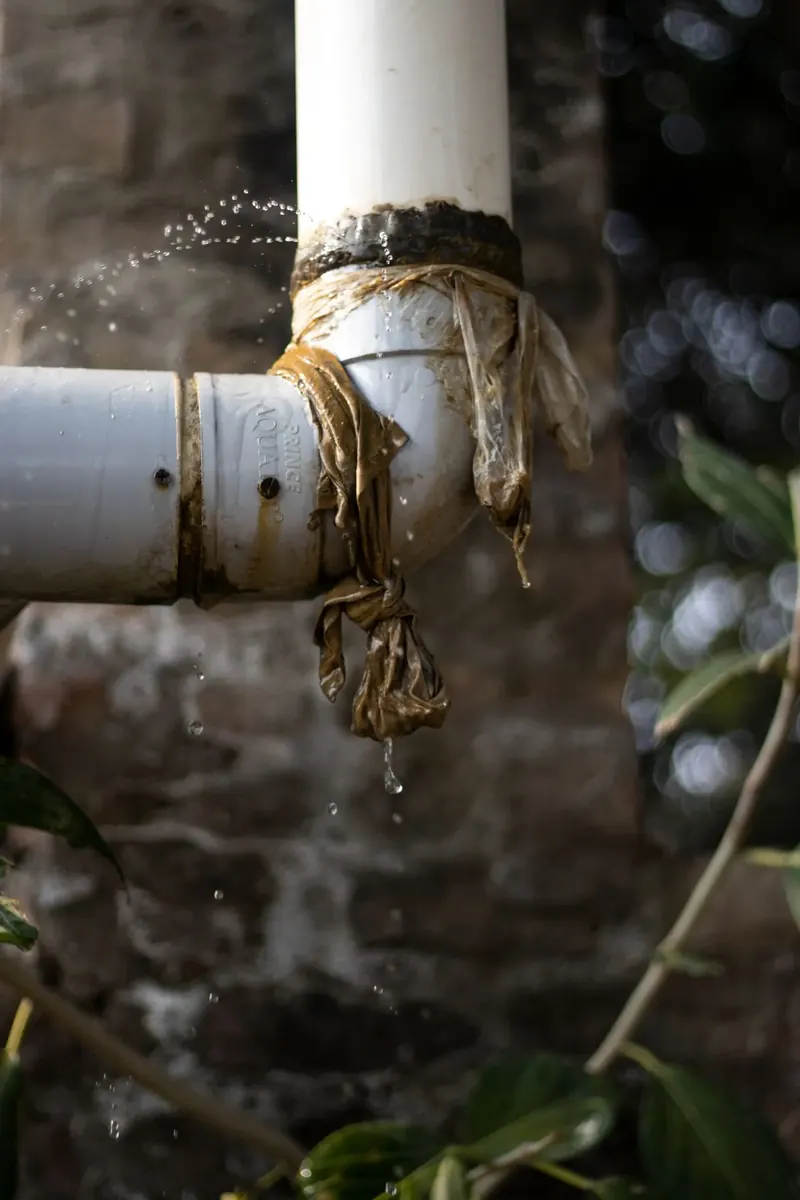
A burst, a backup, or basement water that should not wait until morning. Emergency calls are answered 24/7.
-
Drain and sewer cleaning
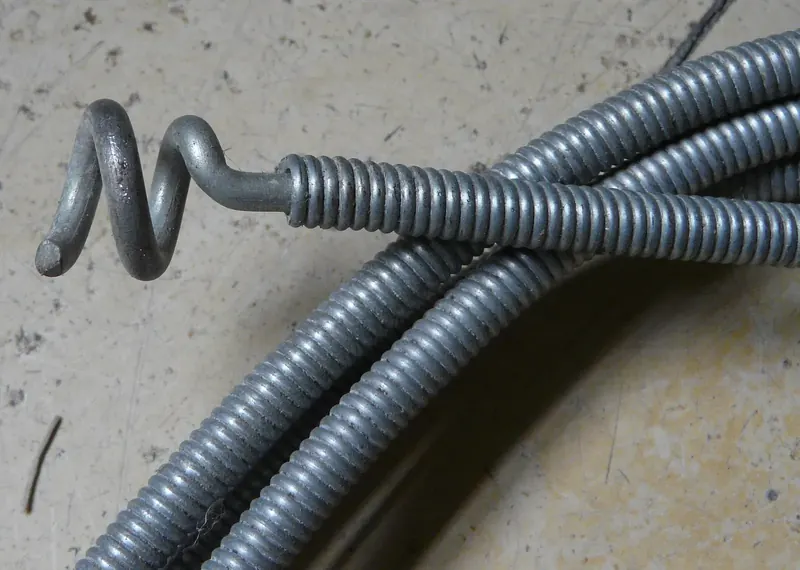
Kitchen, bathroom, laundry, and floor drains, and the main sewer line.
Where we work
Homes across Toronto, North York and York Region.
Toronto
York Region
All service areas · Based in North York, working across Toronto and the GTA.
Call, or leave a number.
The phone is the fastest way in. For a same-day visit, or a 24/7 emergency, call Mayan Plumbing. If you’d rather we call you, leave a name, a number, and what’s going on.
- Phone
- (289) 901-4881
- mayanplumbers@gmail.com
- Service area
- Toronto and the GTA, including North York, Thornhill, Vaughan, and Richmond Hill.